Marginal Wells
Objectives:
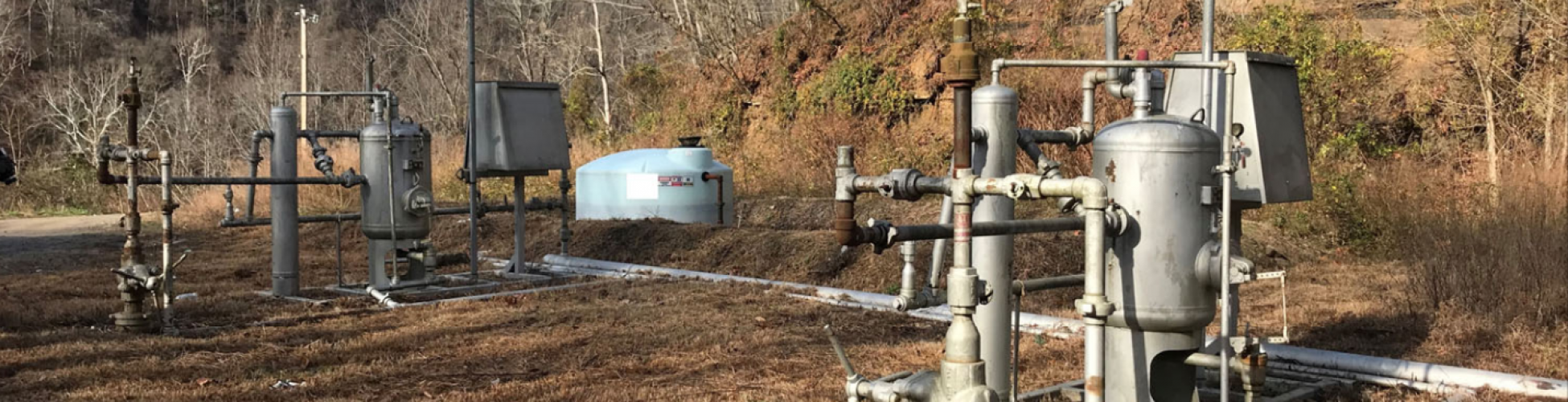
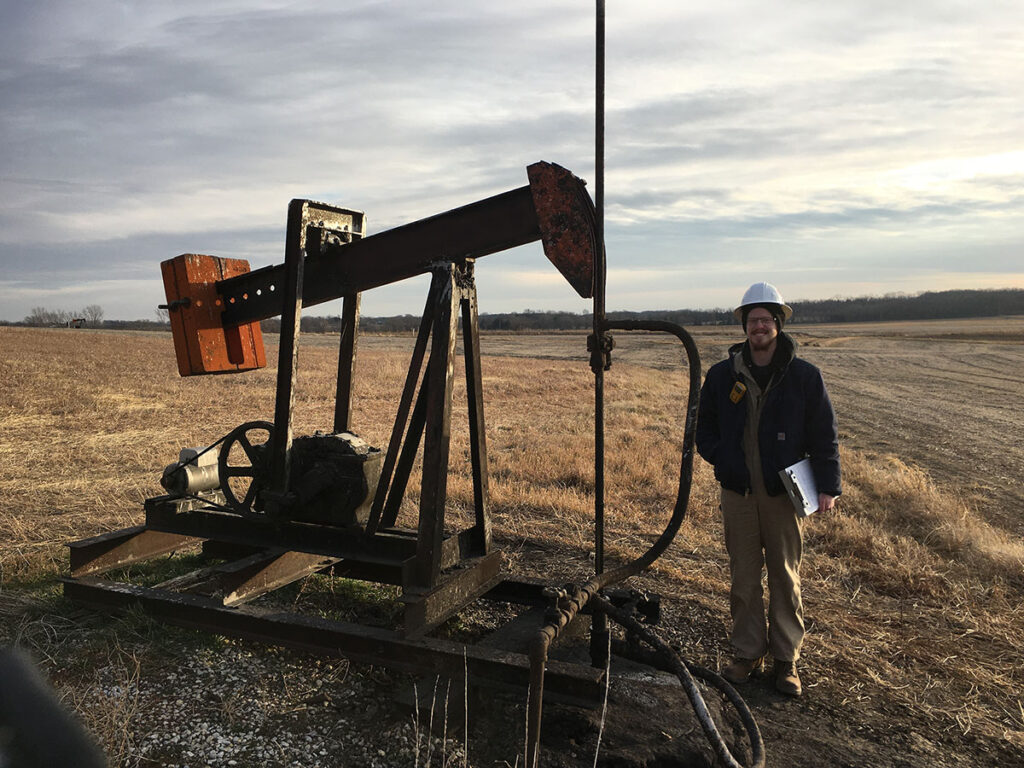
The Environmental Protection Agency (EPA) issued a final rule on June 3, 2016 to amend the New Source Performance Standards (NSPS, 40 CFR Part 60, Subpart OOOOa) to reduce methane emissions from new and modified oil and natural gas facilities. The rule removes Leak Detection and Repair (LDAR) exemptions for “marginal” wells; oil wells which produce <15 barrel (bbl) per day or gas wells that produce <90 thousand cubic feet (MCF) per day. The cost of compliance may disproportionally impact small oil and gas operators of the almost 760,000 marginal wells located throughout the United States.
The objective of this research is to measure methane emissions and draw quantifiable conclusions on the extent of emissions from marginal wells across oil and gas producing regions of the U.S. Results will be compared to published data available on emissions from non-marginal wells.
Funding Provided by:
DOE NETL Award DE-FE0031702
CSU is a subcontract to GSI Environmental Inc.
Collaborators:
Summary:
Phase I – Desktop Study / Data Mining: Understanding Marginal Well Operations in the US
- Literature and operator surveys
- Received responses representing 86,700 wells in 29 basins in 23 states
- Database compilation and statistical analysis
- Activity and operations data
- Major equipment inventory
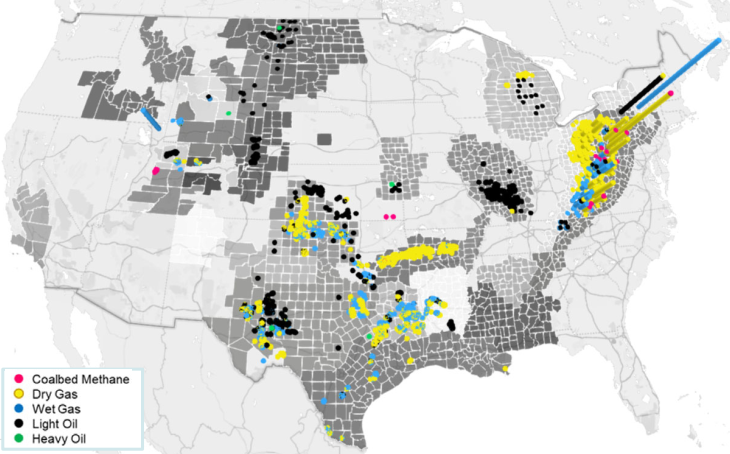
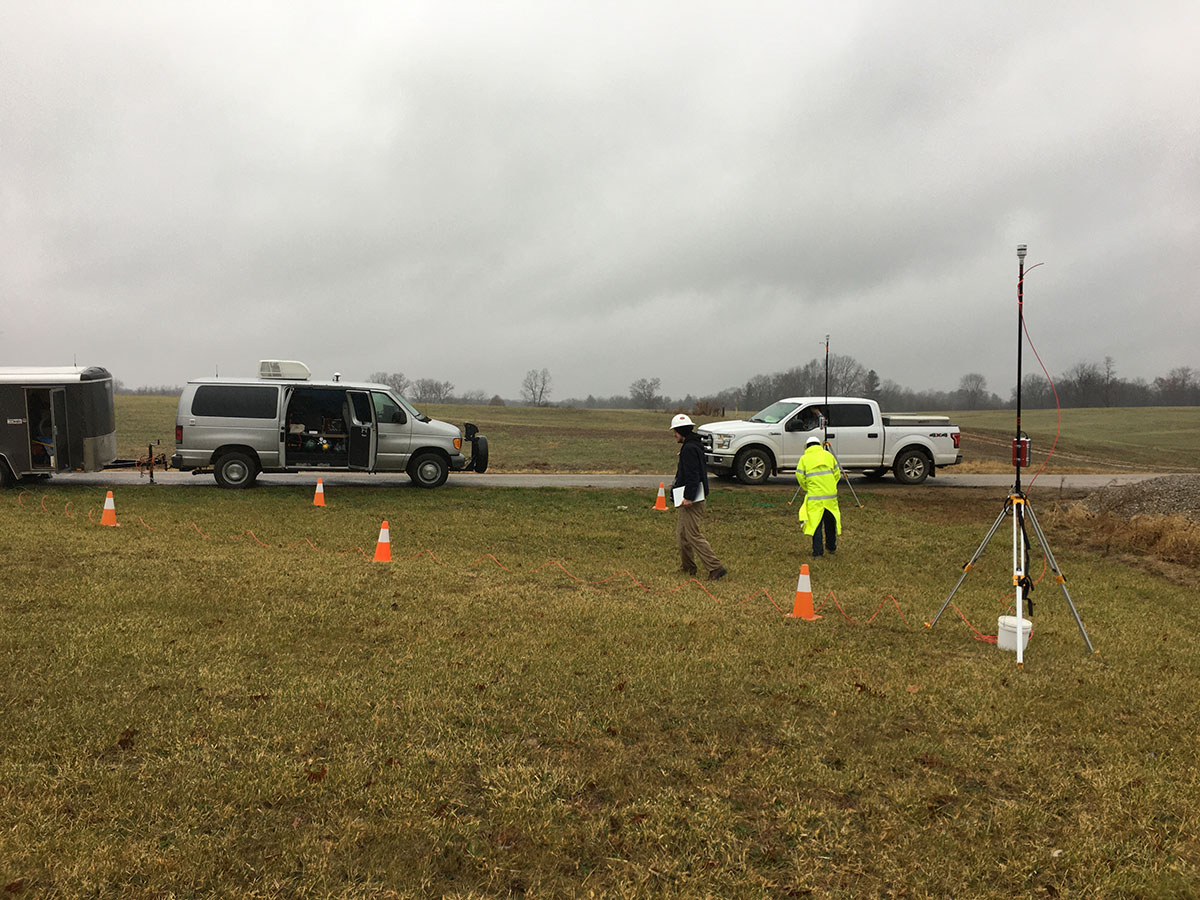
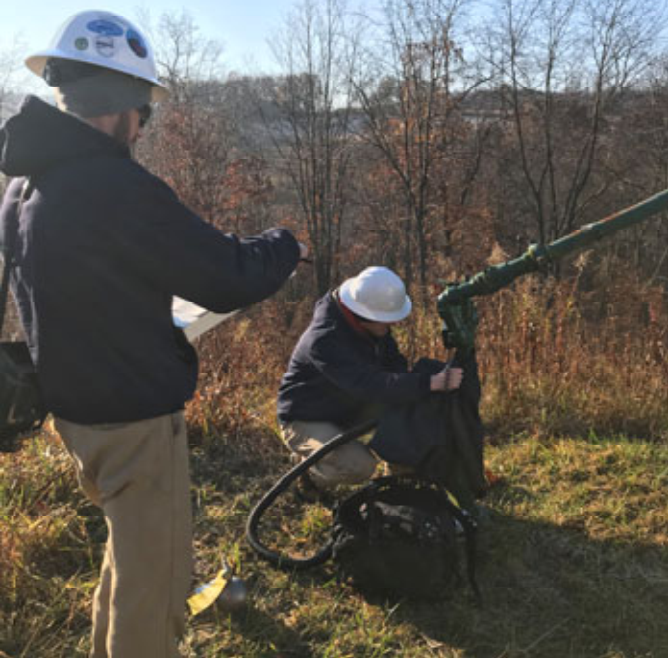
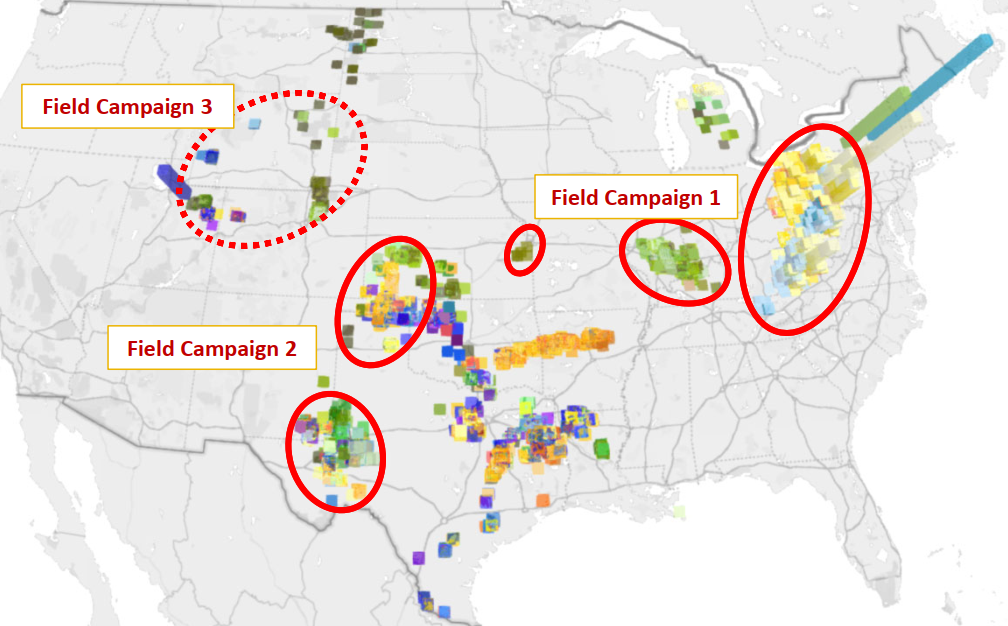
Phase II – Field Investigations: Field measurements in three (3) U.S. regions
- Region one measurements are complete
- Currently planning region two measurements for fall 2020
Phase III – Reporting: Summarizing study activities, results, and conclusions
- Project Reporting
- Stakeholder engagement and communication with Operators, Regulators, EPA, etc.
Participation
This project is complete. There had been several ways to engage in this project:
- Volunteer operators hosted measurements at their marginal well sites.
- Operators participated on Technical Advisory Steering Committee
- Contact [email protected] or [email protected] for more information.